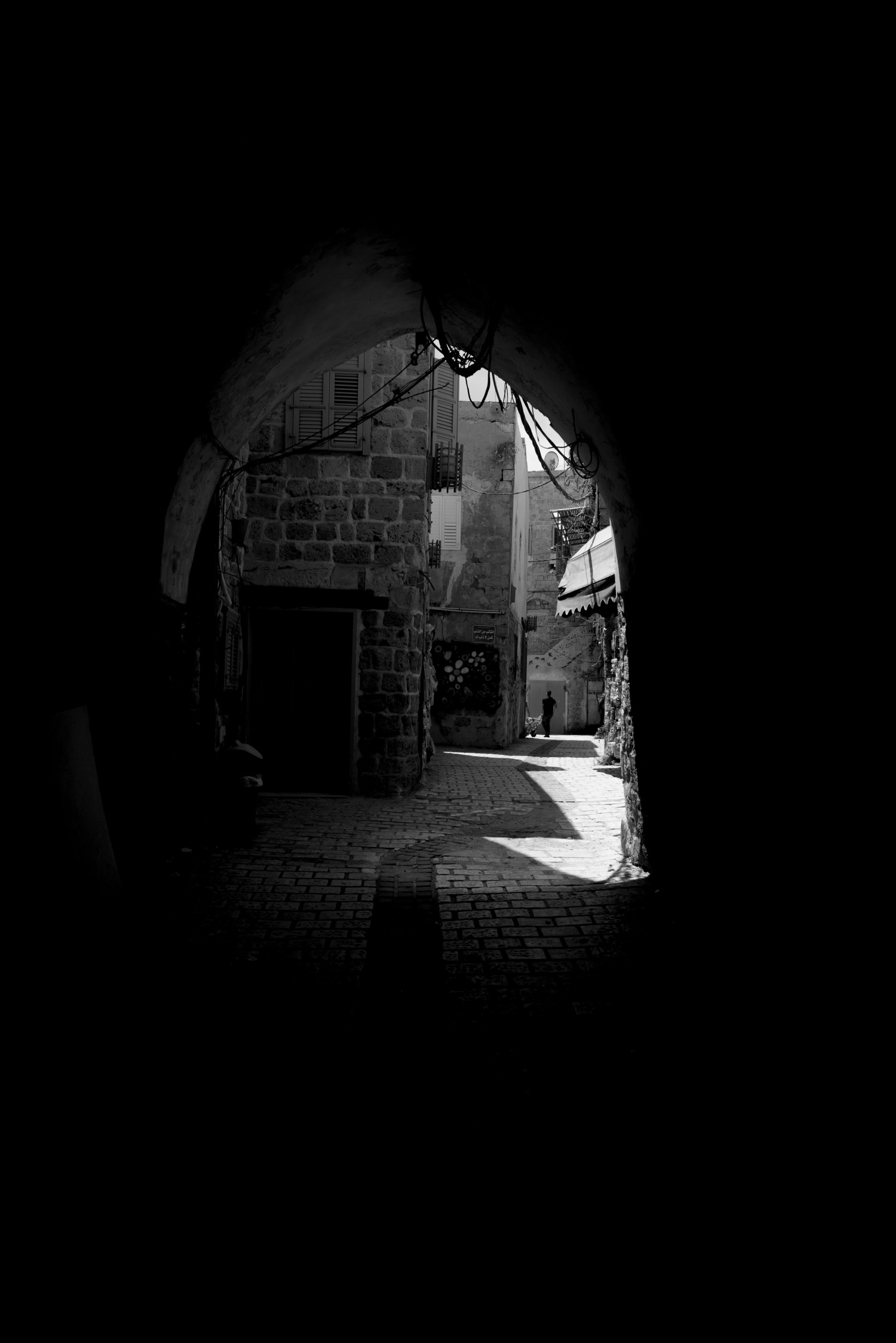
Photography is more than just a medium for capturing moments; it is a powerful tool for preserving history, documenting events, and shaping our understanding of the past. In the age of visual culture, photographs serve as windows into bygone eras, offering insights and narratives that complement traditional historical records. From iconic images that define epochs to candid snapshots of everyday life, photography plays a vital role in enriching our collective memory and informing our interpretation of history.
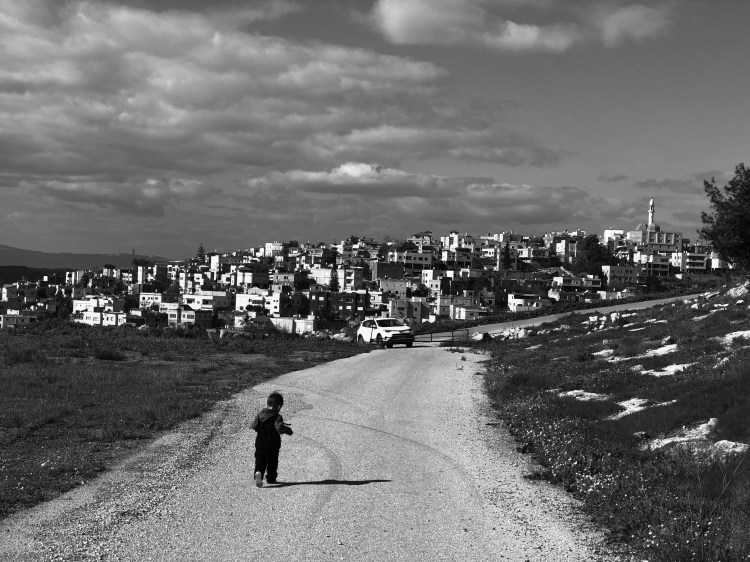
One of the most compelling aspects of photography is its ability to freeze moments in time, providing a visual record that transcends the limitations of memory and language. Unlike written accounts, which can be subjective and prone to interpretation, photographs offer a tangible and visceral connection to the past. Whether it’s the solemnity of a historical event, the jubilation of a victory, or the devastation of a tragedy, photographs have the power to evoke emotions and provoke introspection, fostering a deeper engagement with history.
Moreover, photography serves as a democratizing force in the documentation of history, allowing ordinary individuals to capture and share their perspectives on significant events. With the advent of portable cameras and digital technology, amateur photographers have become citizen journalists, bearing witness to unfolding events and contributing to the historical record. From social movements and protests to cultural celebrations and everyday life, grassroots photography offers diverse and often marginalized voices a platform to shape the narrative of history.

In addition to its role in preserving collective memory, photography serves as a catalyst for social change and advocacy. Through visual storytelling, photographers have the power to shed light on injustices, amplify marginalized voices, and challenge prevailing narratives. Whether it’s exposing human rights abuses, advocating for environmental conservation, or documenting the resilience of communities in the face of adversity, photography has the power to inspire empathy, galvanize action, and drive positive change.
Furthermore, photography enriches our understanding of history by providing context, nuance, and depth to historical events. By capturing the everyday lives of individuals across different time periods and cultures, photographers offer glimpses into the social, economic, and cultural landscapes of their respective eras. From the streets of bustling metropolises to the remote corners of the globe, photographs provide invaluable insights into the diversity and complexity of human experiences throughout history.
In conclusion, photography is an indispensable tool for reading and interpreting history, offering a visual narrative that complements and enhances traditional historical records. From iconic images that define epochs to grassroots photography that amplifies diverse voices, photographs shape our understanding of the past and inform our vision for the future. As we continue to navigate the complexities of the modern world, photography remains a vital medium for documenting events, preserving memory, and bearing witness to the human experience.
 Haytham aljassem